Curaçao is known for its colourful Dutch-Caribbean architecture, calm beaches, and clear waters, but its most dramatic scenery lies along the island’s rugged north coast. Here, the landscape shifts into cliffs, crashing Atlantic waves, and untouched natural formations. One of the best places to experience this is Shete Boka National Park, a protected coastal reserve where powerful surf meets limestone inlets shaped over centuries.
While guided tours are available, driving yourself allows you to explore on your own schedule and stop at viewpoints along the way. With Final Rentals, travellers can arrange transport in advance, making it easy to hit the road on arrival. From here, understanding what makes this coastal reserve one of Curaçao’s most remarkable natural highlights.

Located on Curaçao’s northern coast, Shete Boka National Park is one of the island’s most striking natural attractions. Stretching roughly ten kilometres of rugged shoreline, it features inlets, coves, and sea caves carved over centuries by powerful Atlantic waves. Its name, “Shete Boka,” means “Seven Inlets,” though the park actually includes more than seven scenic coves.
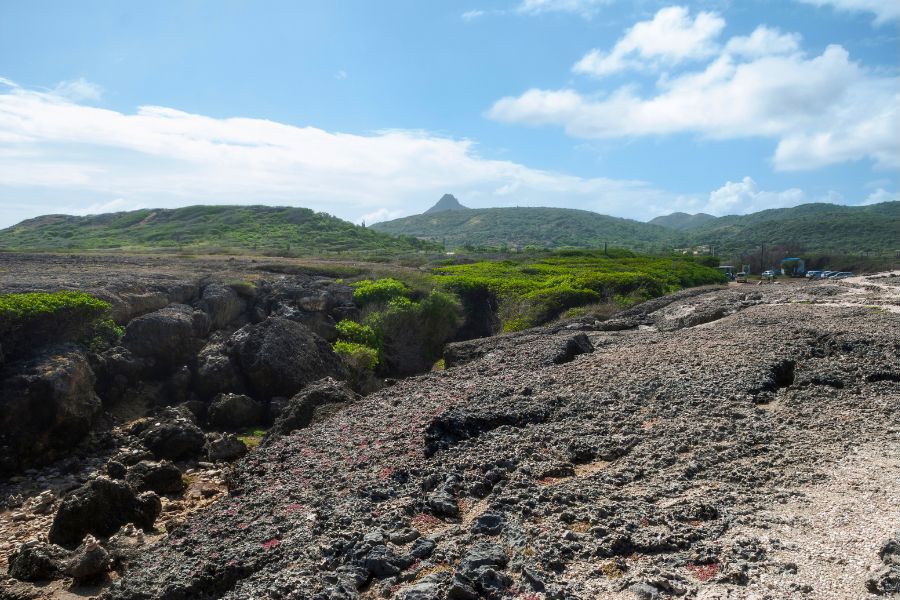
The park stands in sharp contrast to Curaçao’s calm southern beaches. Here, the Atlantic crashes forcefully against limestone cliffs, sending spray into the air and filling the coastline with a constant roar. It is also an important sea turtle nesting site, and depending on the season, visitors may spot them in their natural habitat. With its raw scenery, wildlife, and walking trails, it remains a must-visit for nature lovers and adventure seekers.
Although organised tours are available, driving is the most flexible way to reach Shete Boka National Park. Public transport is limited, and taxi costs can add up quickly, especially for families or groups planning a full-day trip. With your own vehicle, you can plan your itinerary freely and explore beyond a single destination.
Along the way, you can stop at scenic viewpoints, visit nearby beaches, or pass through local villages without being tied to fixed schedules. Travellers who explore Curaçao with a rental car often cover more ground with greater comfort and independence. It also allows for an early start, helping you reach the park before crowds arrive for a more relaxed experience.
Shete Boka National Park is situated on Curaçao’s north-western coast, adjacent to Christoffel National Park. The park lies approximately 40 kilometres from Willemstad, the island’s capital and primary tourist hub. The journey typically takes around 45 minutes to one hour, depending on traffic conditions and your departure point.
The route is straightforward and well-signposted, making it suitable for visitors who may be unfamiliar with driving on the island. Because of its location near several other natural attractions, Shete Boka is often combined with visits to Christoffel National Park, Playa Kalki, and nearby scenic viewpoints, creating an excellent day trip itinerary.
A successful visit begins with proper preparation. Before setting off, ensure your vehicle has sufficient fuel, as petrol stations may be less frequent in some parts of the island compared to urban areas around Willemstad.
Checking weather conditions is also worthwhile. While Curaçao enjoys sunshine throughout much of the year, occasional rain showers can affect visibility and trail conditions within the park. Comfortable clothing, sturdy footwear, sun protection, and drinking water are essential items for any visit.
Travellers arranging a car rental in Curacao should consider selecting a vehicle that offers comfort for longer drives and enough space for passengers and personal belongings. Although most roads leading to the park are paved, some internal sections can be uneven, making a well-maintained vehicle particularly beneficial.
Most visitors begin their journey from Willemstad, where the majority of hotels, resorts, and holiday accommodations are located. The drive generally follows the island’s main western roads before continuing towards the Bandabou region. The route passes through several small communities, offering glimpses of local life and Curaçao’s distinctive landscape. Along the way, travellers will encounter rolling hills, cacti-covered terrain, colourful homes, and occasional coastal views.
Road signs directing visitors towards Shete Boka National Park are generally clear and easy to follow. Navigation applications can provide additional guidance, but many travellers find the route straightforward even without constant GPS assistance. The drive itself forms part of the overall experience, allowing visitors to appreciate the island’s diverse scenery beyond the main tourist districts.

Driving in Curaçao is generally easy for international visitors, especially when using a rental car to explore the island’s main attractions. While most major roads are in good condition, driving standards and surfaces can vary once you leave urban areas, so a cautious and attentive approach is best.
Upon arriving at Shete Boka National Park, visitors will find an entrance area where admission fees are collected. Staff members often provide maps and information about the park’s main attractions, walking routes, and safety recommendations. The park is designed to accommodate self-guided exploration, making it easy for visitors to choose the attractions that interest them most.
Several viewpoints and inlets can be reached via short walks, while longer trails connect multiple sections of the coastline. Facilities within the park are relatively basic compared to urban tourist attractions, which helps preserve the area’s natural character. Visitors should plan accordingly by bringing water, snacks, and any personal necessities required for their visit.
One of the park’s most iconic attractions is Boka Pistol. This dramatic inlet is named after the explosive way waves force seawater through a narrow opening in the rocks, creating a powerful spray that resembles a natural water cannon. The spectacle can be particularly impressive during periods of rough seas when waves strike the coastline with tremendous force.
Visitors often gather at designated viewing platforms to witness the display and capture photographs of the dramatic scenery. The sound of the waves alone is unforgettable, echoing through the surrounding landscape and highlighting the immense power of nature. Boka Pistol is frequently considered the highlight of any visit to Shete Boka National Park.
Another must-see attraction is Boka Tabla, one of the park’s most accessible and fascinating locations. A series of steps leads visitors down towards a sea cave where powerful waves surge in and out beneath limestone formations. Standing within the cave provides a unique perspective of the coastline and allows visitors to experience the force of the ocean up close.
The dramatic interaction between water and rock has shaped the area over thousands of years, forming one of Curaçao’s most striking natural landmarks. Boka Tabla stands out for its powerful wave action, unforgettable scenery, and impressive geological formations, making it one of the island’s most remarkable coastal features.
Beyond its coastline, Shete Boka National Park supports a variety of wildlife and native plant species. The park serves as an important conservation area and plays a crucial role in protecting local ecosystems. Sea turtles are among the most celebrated inhabitants. Several species use the park’s beaches as nesting grounds, contributing to ongoing conservation efforts.
While sightings cannot be guaranteed, visitors often appreciate knowing that these protected creatures thrive within the reserve. Birdwatchers may also encounter a range of native and migratory species throughout the park. Combined with the distinctive desert-like vegetation and coastal scenery, the wildlife adds another dimension to the visitor experience.
Having your own vehicle makes it easy to combine Shete Boka National Park with other nearby attractions in a single day. Many travellers also visit Christoffel National Park, which is close by and offers hiking trails, scenic viewpoints, and the chance to climb Christoffel Mountain, the highest point in Curaçao.
Together, the two parks showcase very different sides of the island’s landscape. After exploring the rugged coastline, visitors often head to nearby beaches like Playa Kalki and Playa Grandi for swimming and snorkelling. Travellers who explore Curaçao with a rental car can easily customise their route to include a mix of nature, adventure, and beach stops.

Selecting an appropriate vehicle can enhance the overall travel experience. Compact cars are suitable for couples and solo travellers seeking efficiency and ease of parking. Families and groups may prefer larger vehicles that offer additional comfort and storage capacity. Travellers searching for budget car rental options can often find vehicles that balance affordability with practicality.
Choosing a reliable rental vehicle ensures greater confidence when travelling to more remote attractions such as Shete Boka National Park. When arranging a car rental in Curacao, it is advisable to compare vehicle categories, included features, and insurance coverage before making a reservation. Booking early often provides access to better availability and competitive rates.
To make the most of your visit to Shete Boka National Park, it helps to plan and follow a few simple safety and comfort tips. The park’s natural conditions, warm climate, and rugged terrain mean that preparation can greatly improve your overall experience.
Best time to visit: Arrive early in the morning when temperatures are cooler and visitor numbers are lower. This also gives you the best lighting conditions for photography and a more peaceful experience.
Safety on trails: Stay on marked paths and designated viewing areas at all times. Coastal cliffs can be slippery, and strong waves may pose risks near the shoreline, so following safety guidelines is essential for both personal safety and environmental protection.
What to bring: Carry sufficient water due to the warm climate, and wear lightweight clothing, sunscreen, sunglasses, and comfortable walking shoes to stay comfortable throughout your visit.
Take your time: Allow enough time to explore and enjoy the scenery without rushing. The park’s dramatic coastline is best experienced at a relaxed pace.
A visit to Shete Boka National Park offers one of the most memorable experiences in Curaçao. From thunderous waves and dramatic sea caves to stunning coastal vistas and protected wildlife habitats, the park showcases a side of the island that many visitors never forget. Driving there provides the flexibility to explore at your own pace while discovering additional attractions along the way.
Whether you are looking to book a rental car online, searching for budget car rental options, planning to explore Curacao with a rental car, or comparing providers for car rental in Curacao, securing reliable transportation can transform your island adventure. Before setting off, download the Final Rentals app from Google Play or the App Store to manage reservations, access travel information, and enjoy exclusive offers that make exploring Curaçao even easier.
The drive from Willemstad typically takes around 45 minutes to an hour, depending on traffic and your exact starting point. The route is straightforward and scenic, passing through Curaçao’s western landscape with clear road signs along the way.
A standard rental car is more than enough to reach Shete Boka National Park comfortably. The roads leading to the park are paved and well maintained, so a 4x4 is not necessary unless you plan to explore more remote areas.
Yes, parking is clearly marked and located close to the main entrance and viewpoints. You can leave your vehicle securely and continue exploring the park on foot without difficulty.
Yes, many travellers combine both parks in a single day since they are located relatively close to each other. This makes it easy to experience Curaçao’s coastal scenery and inland landscapes in one trip.
It’s best to bring plenty of water, sun protection, and comfortable walking shoes due to the warm climate and rugged terrain. A camera is also recommended, as the coastal views and wave formations are some of the most photogenic on the island.